
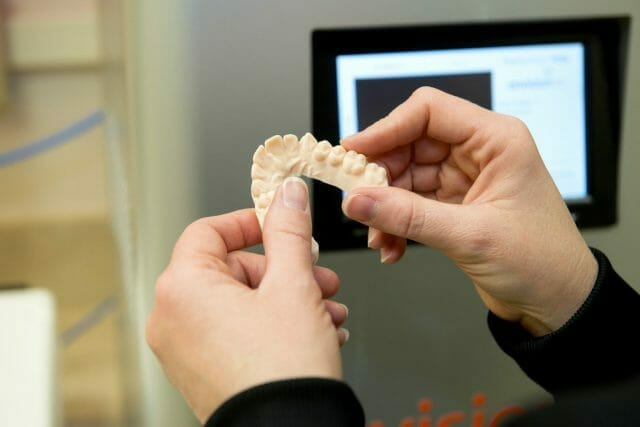
At Salaita Orthodontics in Westerville, OH, we bring 3D printing technology directly into our office so patients can benefit from faster, more comfortable care. Our team uses advanced digital scans and in-house 3D printing to create custom orthodontic appliances with a high level of accuracy. This allows us to reduce wait times, limit the need for repeat visits, and adjust treatment quickly when needed. By keeping the process under one roof, we can better control quality, improve patient comfort, and make sure every step of treatment stays on track.
Why Use 3D Printing in Orthodontics?
3D printing utilizes the latest technologies available for advanced orthodontic treatments. There are a number of reasons why orthodontists like Dr. Salaita are embracing 3D printing technology, including:
- Highly accurate scans that are quickly and painlessly performed
- No need for messy impressions that are sent off to other laboratories
- In-house creation of oral appliances, allowing for fast response to issues and the ability to efficiently tailor orthodontic treatments
Convenient service for patients, expediting the receipt of necessary appliances and treatments - Enhanced planning for bracket placement and progress so you can know what to expect at every step of your treatment
How 3D Printing Technology Supports Modern Orthodontic Care
Today’s printing technology plays an important role in how orthodontic care is delivered. By using additive manufacturing, orthodontic practices can create precise orthodontic appliances that fit the patient’s teeth with a high level of accuracy. This approach supports better treatment outcomes and a smoother treatment process from start to finish.
Unlike traditional methods that rely on physical impressions, digital workflows use digital scans to create a detailed digital model of the patient’s teeth. These models help orthodontists plan care more effectively while improving patient comfort and reducing unnecessary appointments.
The Role of Digital Models in Treatment Planning
A digital model allows orthodontists to clearly see spacing, alignment, and bite concerns before starting orthodontic treatment. These orthodontic models are created using CAD software, which helps guide treatment planning and improves overall precision.
Because the digital model matches real anatomy, orthodontists can choose the best treatment options for each patient. This level of accuracy supports better communication, stronger patient satisfaction, and predictable treatment outcomes.
How Additive Manufacturing Improves Appliance Accuracy
Additive manufacturing builds dental models layer by layer. This is different from subtractive manufacturing, which carves models from solid material. This method improves material properties and allows for better control over print layer height, which directly affects accuracy and fit.
Advanced systems like polyjet printing, digital light processing, and selective laser sintering offer high resolution results while maintaining strength and durability. These mechanical properties are essential for creating reliable orthodontic devices, surgical splints, and surgical guides used in orthodontic cases.
Indirect Bonding and Bracket Placement
One major benefit of 3D printing is improved indirect bonding. Using indirect bonding trays, orthodontists can place orthodontic brackets more accurately and efficiently. This improves the bonding process, reduces chair time, and helps guide proper orthodontic tooth movement.
Whether a patient chooses traditional metal braces or clear aligners, indirect bonding helps ensure brackets and attachments are placed exactly where they need to be for the best results.
How Patients Benefit from 3D Printing?
No one wants to have to come back to the orthodontist’s office time after time for impressions and fittings, waiting for weeks at a time between appointments for retainers, mouth guards, and indirect bonding trays to arrive. With the kind of 3D printing available at Salaita Orthodontics, you will benefit directly with fewer appointments to attend, saving time and money, and a faster delivery for your fully customized appliances. That means you can get started on your orthodontic treatment sooner than traditional methods, and you’ll have the smile of your dreams that much quicker.
Faster Treatment Times and Better Patient Experience
Because appliances are created in-house, treatment times are often shorter. Patients spend less time waiting between steps, which improves the overall treatment experience. Faster production also means quicker adjustments if changes are needed.
This efficient production process supports better patient care and helps patients stay motivated throughout orthodontic treatment.
Greater Comfort, Accuracy, and Peace of Mind
3D printing also improves comfort and accuracy throughout orthodontic treatment. Because appliances are created from precise digital scans, they are designed to fit better from the start. This often means less pressure on the teeth, fewer sore spots, and a smoother adjustment period.
Patients also benefit from knowing their treatment is carefully planned and customized. Seeing digital models and understanding how appliances are made helps patients feel more confident in their care. This clarity builds trust, reduces stress, and allows patients to move forward with treatment knowing each step is designed specifically for their smile.
What Is the 3D Printing Process Like?
The 3D printing process at Salaita Orthodontics is designed to be simple, efficient, and comfortable for patients. Each step builds on the next to create custom orthodontic appliances with accuracy and speed, all while keeping the experience stress-free.
Step 1: A Comfortable, Painless Scan
The first step of the 3D printing process here is simple, comfortable, and completely painless. The intra-oral scan maps the inside of your mouth, including your teeth and gums, and stores the images it captures for use in our EnvisionTEC 3D printer system.
Step 2: Creating a Detailed Map of Your Mouth
Think of it as a topographical map of your mouth. This detailed map allows our team to see your teeth and gums clearly before moving forward with appliance creation.
Step 3: Designing Custom Orthodontic Appliances
We use that image to quickly and accurately produce a range of appliances from trays to deliver the braces to retainers and everything in between. Because the process is digital, appliances are designed with precision and consistency.
Step 4: In-House Production for Faster Results
Our technician makes the appliances in-house, ensuring a quicker turnaround and more streamlined treatment. Keeping production in our office helps reduce delays and allows better control over quality.
Step 5: Final Adjustments Before You Go
We can make any necessary adjustments before sending you on your way.
This final step helps ensure your appliance fits comfortably and supports smooth progress throughout treatment.
Advanced Uses in Orthognathic Surgery and Clinical Practice
3D printing also plays an important role in more advanced orthodontic and surgical care, including orthognathic surgery. This type of treatment focuses on correcting jaw alignment and bite issues that cannot be fixed with braces or aligners alone. Using 3D printing allows orthodontists and surgical teams to plan these cases with greater detail and confidence before treatment ever begins.
Custom surgical splints and surgical guides can be created to match a patient’s exact anatomy. These tools help guide jaw positioning during surgery and support accurate movement of the bones. Because everything is designed from a detailed digital model, the surgical team can visualize each step of the process ahead of time. This improves safety, reduces guesswork, and helps ensure the planned results match the final outcome.
3D printing also supports better communication between orthodontists and surgeons during clinical practice. Everyone involved can review the same models, guides, and appliances, which helps the entire team stay aligned on the treatment plan. This level of coordination is especially helpful in complex cases where timing and precision matter most.
By using 3D-printed tools in advanced care, patients benefit from a more organized treatment process and clearer expectations. Having a well-planned approach from the start helps support smoother procedures, more predictable healing, and stronger overall treatment outcomes.
Materials, Accuracy, and Long-Term Reliability
The material properties used in modern printers are designed to withstand high temperatures, repeated use, and pressure. Systems such as PPP printers and polyjet printer platforms produce durable dental appliances with consistent quality.
This reliability supports long-term orthodontic care and ensures every single model meets the same standard of accuracy and strength.
The Future of Orthodontics
The future of orthodontics is digital. Ongoing technological advancements continue to improve speed, accuracy, and customization. As printing technology evolves, orthodontic practices can offer higher levels of customization and better overall care.
A higher level of customization means appliances that fit better, work more efficiently, and support improved patient satisfaction.
Maintenance and Care of 3D-Printed Orthodontic Appliances
Taking care of your 3D-printed orthodontic appliances is an important part of successful treatment. Proper care helps keep appliances clean, comfortable, and working as they should. Following a few simple habits can also help avoid delays or extra visits.
Tips for caring for your 3D-printed appliances include:
- Clean daily: Gently clean appliances as instructed by your orthodontic team to remove plaque and bacteria.
- Handle with care: Avoid bending or forcing appliances, as this can affect how they fit.
- Store properly: When not in use, keep appliances in their case to prevent damage or loss.
- Avoid heat: Do not expose appliances to hot water or high temperatures, which can change their shape.
- Wear as directed: Follow the recommended wear schedule to help treatment stay on track.
- Report issues early: Let our office know if an appliance feels loose, cracked, or uncomfortable.
By taking these steps, patients can help protect their appliances and support steady progress throughout orthodontic treatment. Our team is always available to answer questions and provide guidance to make caring for your appliances simple and stress-free.
Frequently Asked Questions About 3D Printing in Orthodontics
3D printing has changed the way orthodontic care is planned and delivered. Many patients have questions about how this technology works and what it means for their treatment. Below are answers to some of the most common questions we hear.
3D printing allows orthodontists to create custom appliances with a high level of accuracy. Because everything is designed digitally, treatments can start sooner and follow a more precise plan. This often leads to smoother treatment and more predictable results.
Yes. The process uses digital scans and materials that are made specifically for dental use. These materials are tested for safety and comfort, making 3D printing a reliable option for patients of all ages.
In many cases, yes. Digital scans often replace messy putty impressions used in conventional methods. This makes appointments more comfortable and reduces the need for repeat impressions.
Yes. Digital models created through 3D printing help design clear aligners and other orthodontic appliances. This allows aligners to fit better and work more efficiently throughout treatment.
Often, yes. Because appliances are created in-house, there are fewer delays between steps. This can reduce the number of visits needed and help treatment move forward faster.
Yes, there can be some limitations when using 3D printing in orthodontics, such as the need for proper training and careful planning to ensure accurate results. The technology also requires regular maintenance and quality checks, but when used correctly, it provides reliable and consistent support for orthodontic treatment.
Schedule Your Consultation in London, OH
Interested in learning more about how you can benefit from 3D printing at Salaita Orthodontics? Our team proudly serves patients in London and the surrounding communities with advanced, patient-focused orthodontic care.
Dr. Salaita and her team believe technology should make treatment easier, more comfortable, and more predictable. If you are considering orthodontic treatment for yourself or your child, now is the perfect time to explore how modern 3D printing can support your smile.
Call Salaita Orthodontics at (614) 888-4577 to schedule your consultation today to see how 3D printing can shorten treatment time and improve comfort. We’re excited to help you take the next step toward a healthier, more confident smile.
What Sets Us Apart?
Contact Us Anytime
Get in Touch
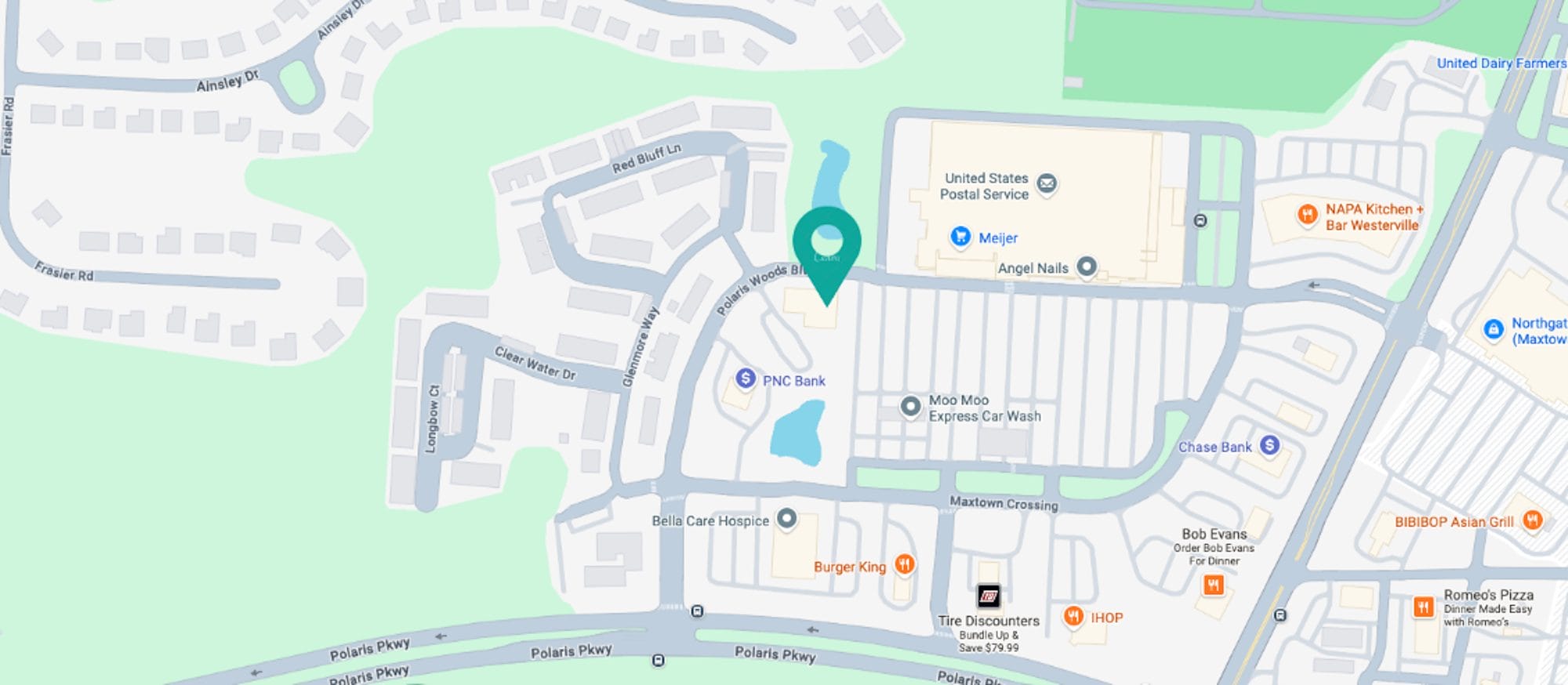
We’re conveniently located at 937 Polaris Woods Blvd. in Westerville. Don’t hesitate to give us a call at (614) 888-4577.